Smoke odor trapped in HVAC ducts
We seal the vents, clean the duct runs, swap the HVAC filters, and run hydroxyl generators to neutralize the residue. Once the ducts are clean, the smell stops coming back every time the system kicks on.
When a grease fire chars your cabinets and smoke coats every surface, kitchen fire cleanup Palmdale CA homeowners trust starts with a crew that knows what to save and what to tear out. We handle soot removal, smoke odor neutralization, and structural repairs across Palmdale and Los Angeles County. Whether the fire hit at 2 a.m. or while you were at work, we respond fast and get your kitchen back to working order.
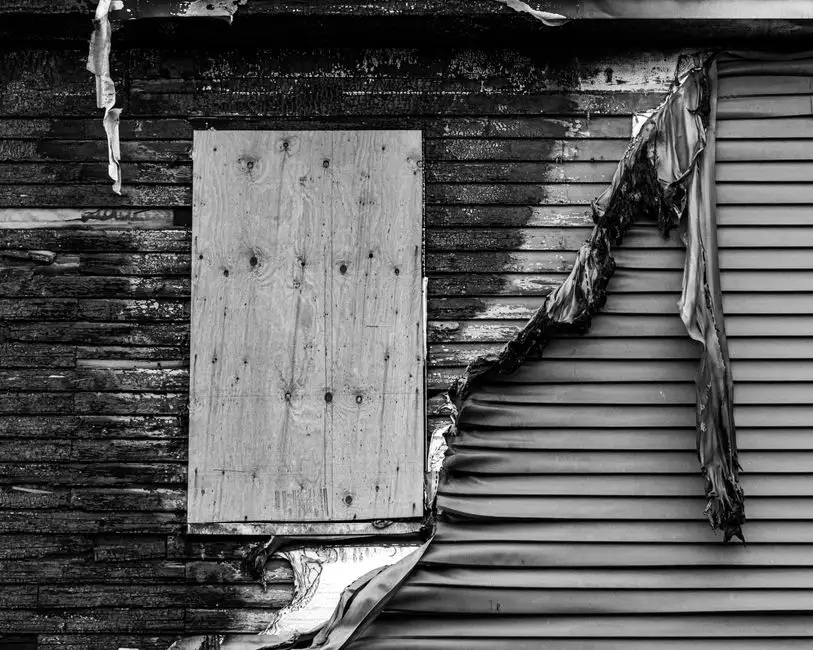
Kitchen fire cleanup Palmdale CA is the process of removing soot, smoke residue, firefighting water, and charred materials from a home after a cooking fire, then restoring the space so it is safe to use again. It is not just wiping down walls. Grease fires leave a thin, sticky film that keeps off-gassing smoke odor for months. We use thermal foggers, hydroxyl generators, and HEPA vacuums to pull that residue out of drywall, insulation, and HVAC ducts before we rebuild anything.
Most kitchen fires we see in Palmdale start on the stovetop, then climb into the range hood and cabinet uppers. By the time the fire department leaves, you are dealing with charred framing, melted wiring, and water damage from firefighting. That combination is why kitchen fire damage restoration Palmdale CA needs to happen within days, not weeks. Mold can start growing in wet drywall within 24 to 48 hours, and smoke odor sets deeper into porous materials the longer it sits.
Every job is scoped to the actual damage, but here is what is standard on a kitchen fire cleanup in Palmdale. Anything beyond this gets added to the scope with your approval before we start.
If the fire broke windows or damaged the roof, we secure the structure on the first visit. That keeps rain, animals, and looters out while the claim and the cleanup get sorted.
We HEPA vacuum and hand-clean every affected surface, from ceilings to cabinet interiors. Grease soot gets a different treatment than dry smoke residue, and we match the method to the material.
Hydroxyl generators and thermal foggers run until odor readings are clear. We do not just spray a deodorizer and call it done. The source residue gets removed first.
Firefighting water soaks into drywall and subfloor. We extract standing water, set drying equipment, and monitor moisture daily until the structure is dry.
Charred cabinets, appliances, and building materials get hauled out and disposed of properly. You do not have to rent a dumpster or make trips to the transfer station.
Photos, moisture logs, and an Xactimate scope go into a claim package your adjuster can work from. We bill direct so you are not fronting the cost.
You call, we ask a few questions about the fire, and we dispatch a crew. On arrival we do a full walkthrough with a thermal imaging camera and moisture meter to map where heat, soot, and water traveled. We board up broken windows and tarp any roof damage before we leave that first visit.
We set up negative air machines and plastic containment to keep soot from spreading to the rest of the house. Charred cabinets, countertops, and drywall come out first. Anything salvageable gets tagged and moved to a clean staging area. This stage usually takes one to two days.
We HEPA vacuum every surface, then hand-clean walls, ceilings, and framing with the right agent for each material. Grease soot needs a different cleaner than dry smoke residue. We use dry ice blasting on framing and soda blasting on delicate surfaces when hand-cleaning would cause more damage than it fixes.
Once surfaces are clean, we run hydroxyl generators and thermal foggers to neutralize odor molecules trapped in the structure. HVAC filters get swapped and ducts get sealed. We do not call the job done until a walkthrough confirms no smoke smell remains in any room.
We replace framing, drywall, insulation, and cabinetry, then prime with smoke sealant primer and char-blocking primer before paint. Final walkthrough covers every repaired surface, and we hand you the documentation package for your insurance claim. Most jobs wrap in two to four weeks depending on scope.
Purpose-built equipment, used by trained technicians — so the job is done accurately the first time.
Pushes a deodorizing fog into cracks, crevices, and cabinet interiors where smoke residue hides. Reaches spaces a spray bottle cannot.
Neutralizes smoke odor molecules in the air and on surfaces without leaving a chemical residue. Safe to run in occupied spaces.
Captures fine soot particles that a shop vac would just blow back into the air. First step before any wet cleaning.
Finds hidden moisture behind walls and heat damage that is not visible to the eye. Maps the true scope of the fire.
Tracks drying progress in drywall and subfloor after firefighting water. We log readings daily until the structure is dry.
Removes soot and char from framing and brick without scratching or adding moisture. Ideal for structural surfaces.
Creates containment pressure so soot and odor do not migrate into unaffected rooms during cleanup.
A stovetop grease fire climbed into the upper cabinets and range hood. Soot coated the ceiling, walls, and every cabinet surface. Firefighting water soaked the subfloor near the stove. The homeowner had been told the kitchen needed a full gut.
We saved the lower cabinets and countertops, replaced only the upper cabinets and range hood, and cleaned every surface with the right agent for each material. Drying equipment ran for four days. The kitchen was back in service in 19 days.
An outlet behind the range shorted and burned inside the wall. Scorch marks on the drywall, melted wiring in the circuit, and a persistent acrid smell throughout the house. The breaker kept tripping even after the fire was out.
We replaced the damaged wiring run, cleaned the corrosive residue from the wall cavity, and repaired the drywall. The circuit was tested and signed off. Odor readings were clear after three days of hydroxyl treatment.
A tenant left oil heating on the stove and the fire spread to the cabinet above. Smoke migrated into the neighboring unit through a shared wall. The property manager needed documentation for two insurance claims.
We scoped both units separately, cleaned the shared wall cavity, and replaced the damaged cabinets and drywall in the affected unit. Both claims were settled within three weeks. The unit was re-rented 10 days after repairs finished.
A kitchen fire leaves behind more than char. Here are the problems we see most often and how we handle them.
Ask a pro →We seal the vents, clean the duct runs, swap the HVAC filters, and run hydroxyl generators to neutralize the residue. Once the ducts are clean, the smell stops coming back every time the system kicks on.
We clean within the first 48 hours whenever possible, using the right agent for each surface. Dry ice blasting removes soot from framing without scratching. Soda blasting handles delicate surfaces that hand-cleaning would damage.
We extract standing water on the first visit, set drying equipment, and monitor moisture daily with a moisture meter. We do not close out the job until readings are back to dry standard.
We inspect the affected circuits, replace damaged wiring runs, and test before we close up the walls. Electrical work gets signed off before the kitchen is cleared for use.
Most kitchen fire cleanup jobs in Palmdale run $2,500 to $12,000 depending on how far the fire spread. A contained stovetop fire with light soot might land near $2,500. A fire that climbed into cabinets and the ceiling can push past $12,000 once you add structural repairs. Insurance usually covers the bulk of it. We give you a written scope before any work starts.
Yes, but not until the kitchen passes a safety check. We verify that wiring, gas lines, and framing are sound before we sign off. If the fire damaged your range hood or electrical, those get replaced first. Most homeowners are back to cooking within two to four weeks of the fire. We walk you through exactly what needs to happen before you turn the stove on again.
Cleanup alone takes three to seven days for a typical kitchen fire. Full restoration with drywall, cabinets, and paint usually runs two to four weeks. The timeline depends on how much smoke traveled into adjacent rooms and whether firefighting water got into the walls. We give you a day-by-day schedule after the initial assessment so you know what to expect.
Yes, most homeowner policies cover kitchen fire damage, including cleanup, structural repairs, and smoke odor removal. We bill your carrier direct and document everything in Xactimate so the claim moves without back-and-forth. You pay your deductible, we handle the rest. If your adjuster has questions about the scope, we walk them through the damage room by room.
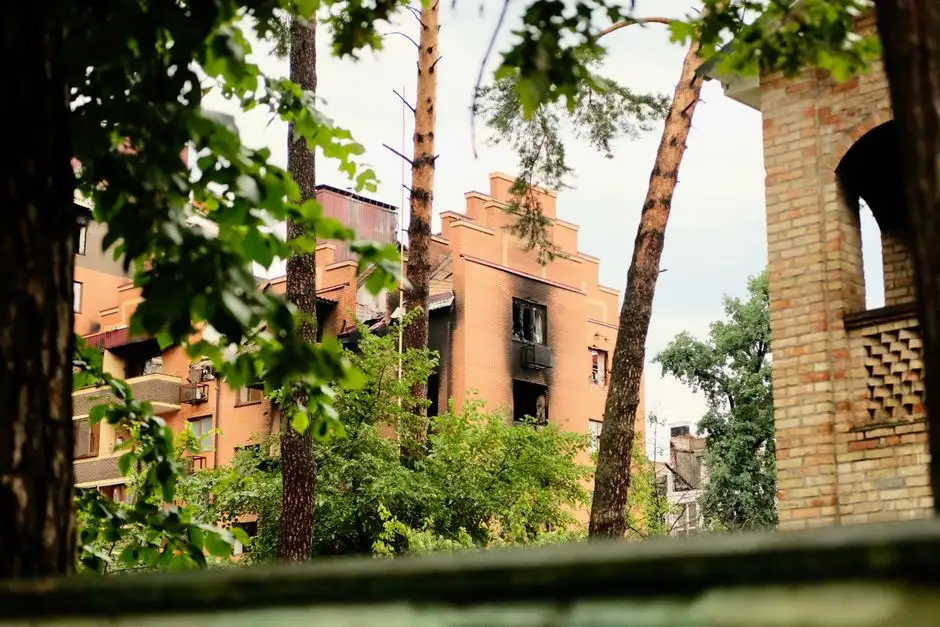 Smoke Damage RestorationSmoke travels farther than fire. We clean and neutralize smoke residue in every room it reached, including closets and HVAC ducts, so your Palmdale home does not smell like a campfire six months later.Explore →
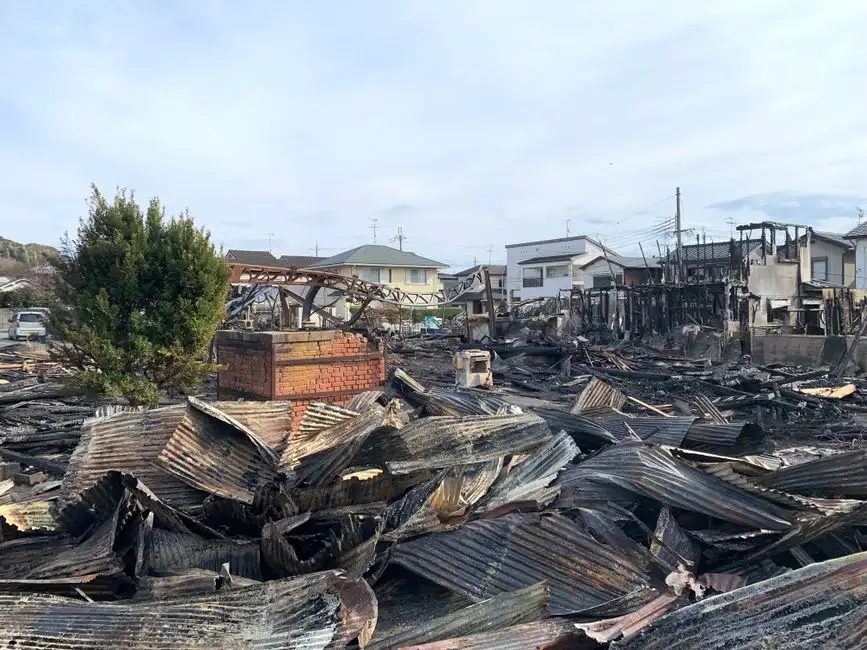 Fire Damage Clean UpFull debris removal, char extraction, and surface cleaning after any fire. We haul out what is destroyed, tag what is salvageable, and get the structure ready for repairs.Explore →
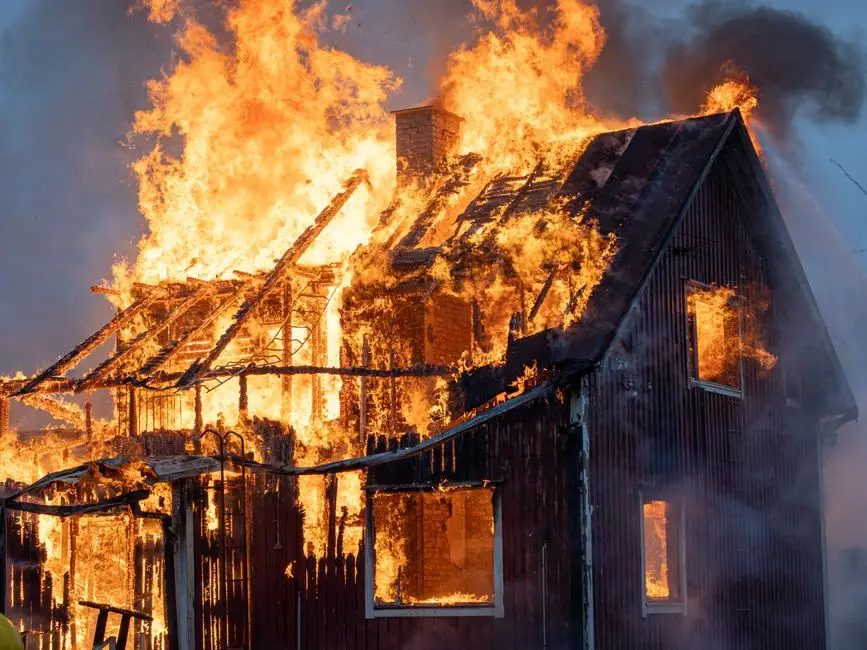 Emergency Fire Damage RestorationWhen you need a crew on-site today, we roll 24/7 across Palmdale. Board-up, tarp-over, water extraction, and containment happen on the first visit so damage does not get worse overnight.Explore →
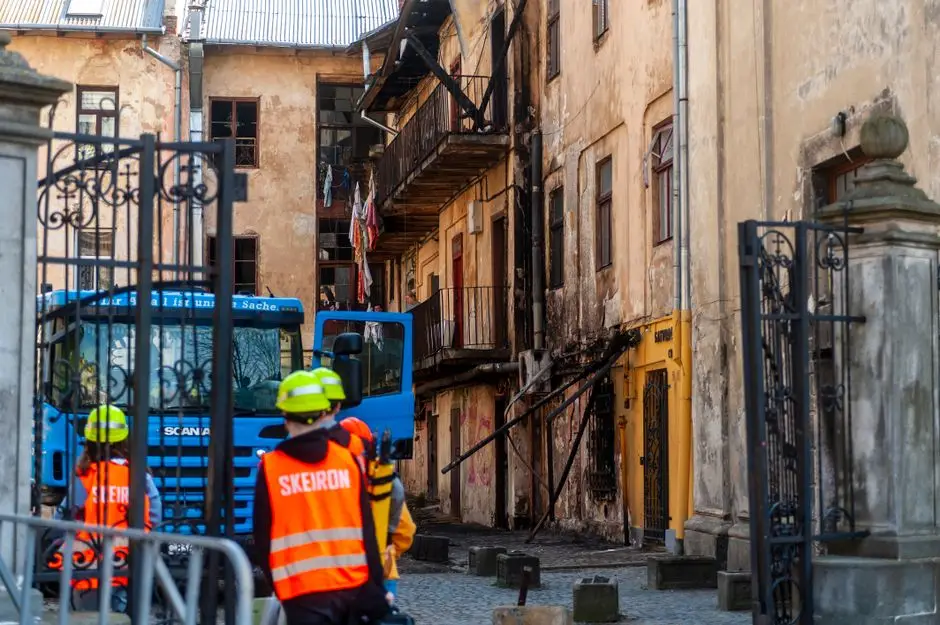 Structural Repair After FireCharred framing, damaged drywall, and compromised load paths get rebuilt to California code. We pull permits, do the work, and pass inspection so your home is safe and insurable.Explore →
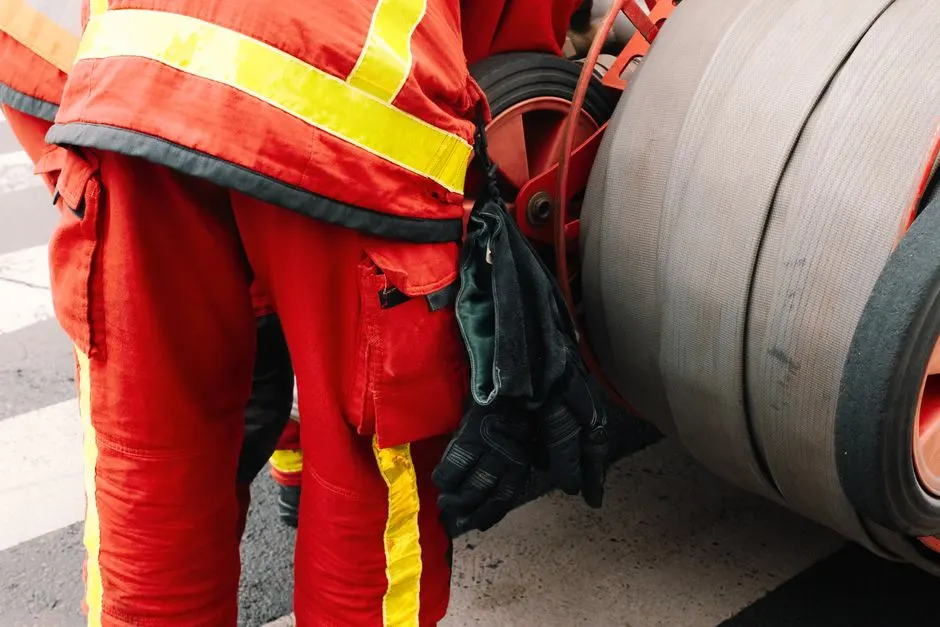 Odor Removal After FireHydroxyl generators, thermal foggers, and ozone treatment pull smoke odor out of drywall, insulation, and furniture. We do not mask the smell. We eliminate the source.Explore →
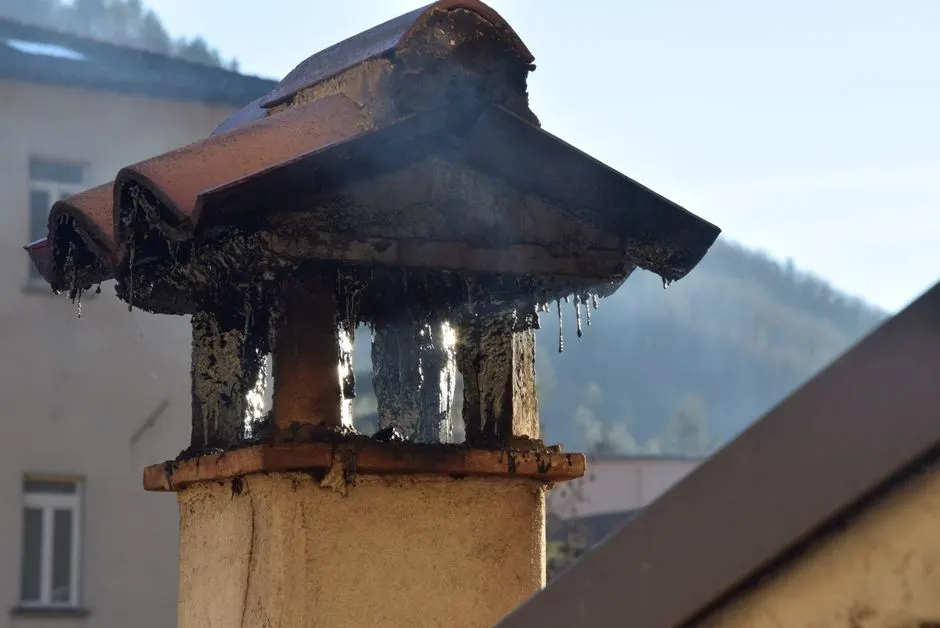 Soot RemovalGrease soot and dry smoke residue need different cleaning agents. We match the method to the surface so we clean without etching or scratching cabinets, counters, and appliances.Explore →
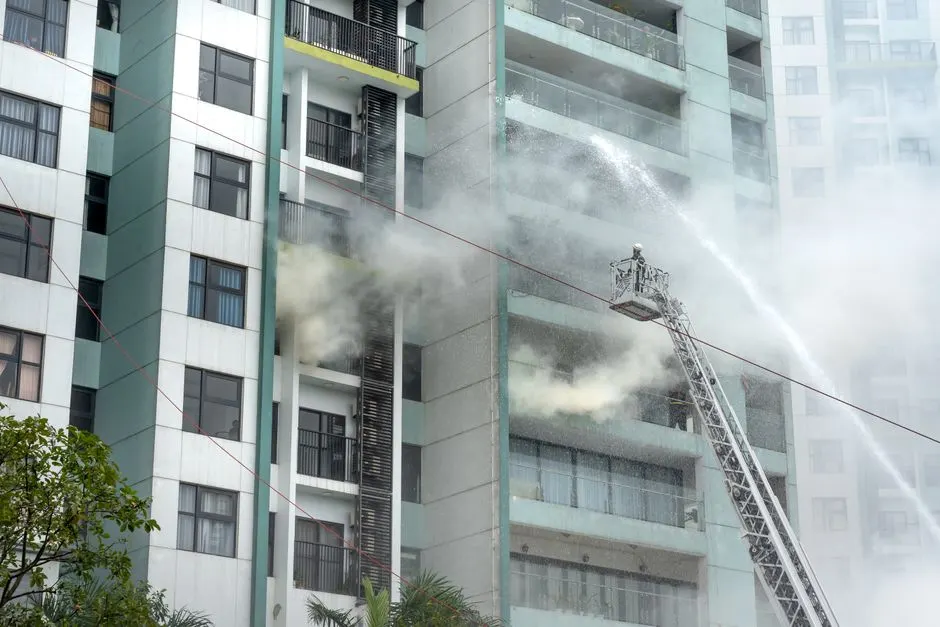 Smoke RemediationSmoke residue is acidic and keeps damaging surfaces until it is removed. We HEPA vacuum, wipe, and seal every affected surface to stop the corrosion and the smell.Explore →
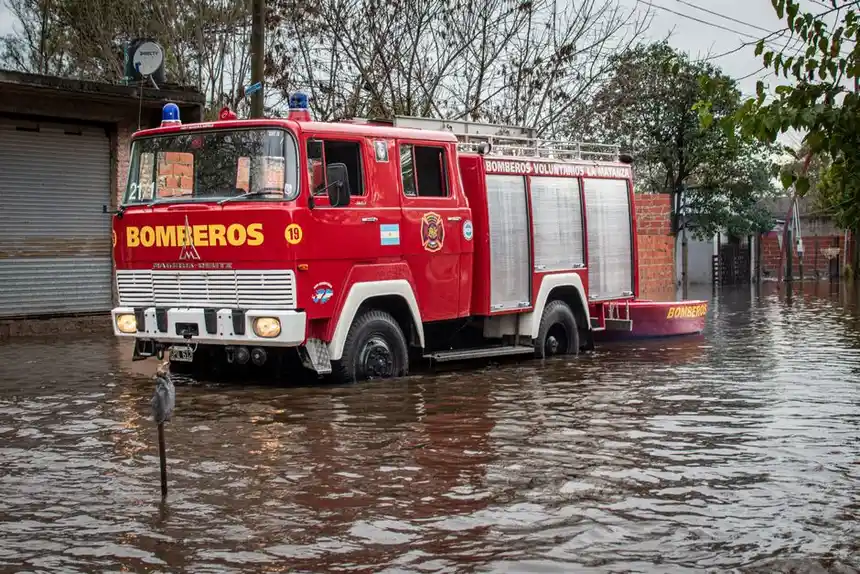 Fire and Flood RestorationKitchen fires often come with firefighting water. We extract standing water, dry the structure, and handle both the fire and water damage in one coordinated scope.Explore →
We answer the phone 24/7 and dispatch crews across Palmdale and Los Angeles County. Call now and we will walk you through what to do before we arrive. Licensed, insured, and direct-billing with your carrier.
Get Emergency Help (661) 293-2684 →Call (661) 293-2684 any hour and a real person picks up. We dispatch across Palmdale, Los Angeles County and the Antelope Valley, with most addresses seeing a truck within 60 to 90 minutes. If you prefer email, send photos and your address to [email protected] and we will call you back the same day.