01
Call and triage
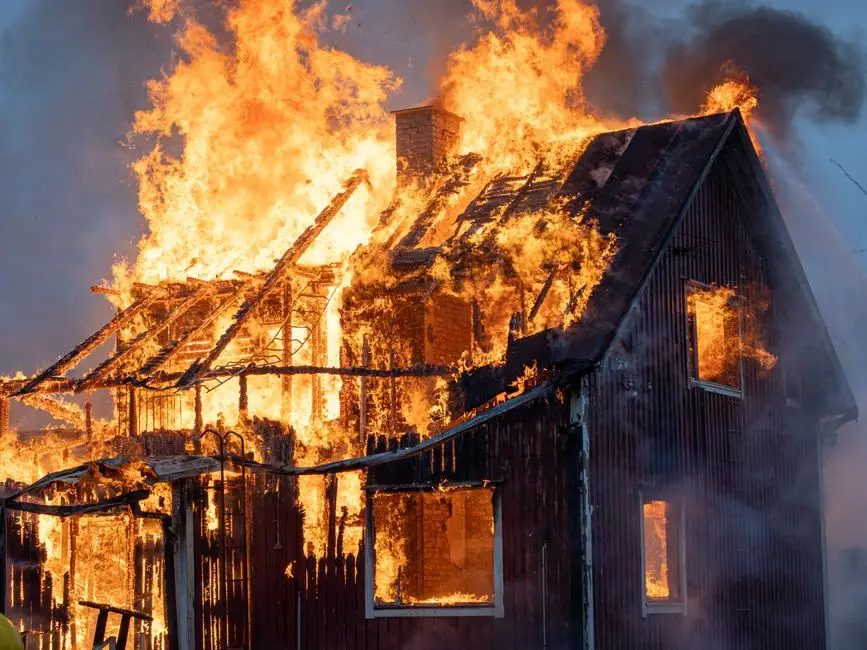
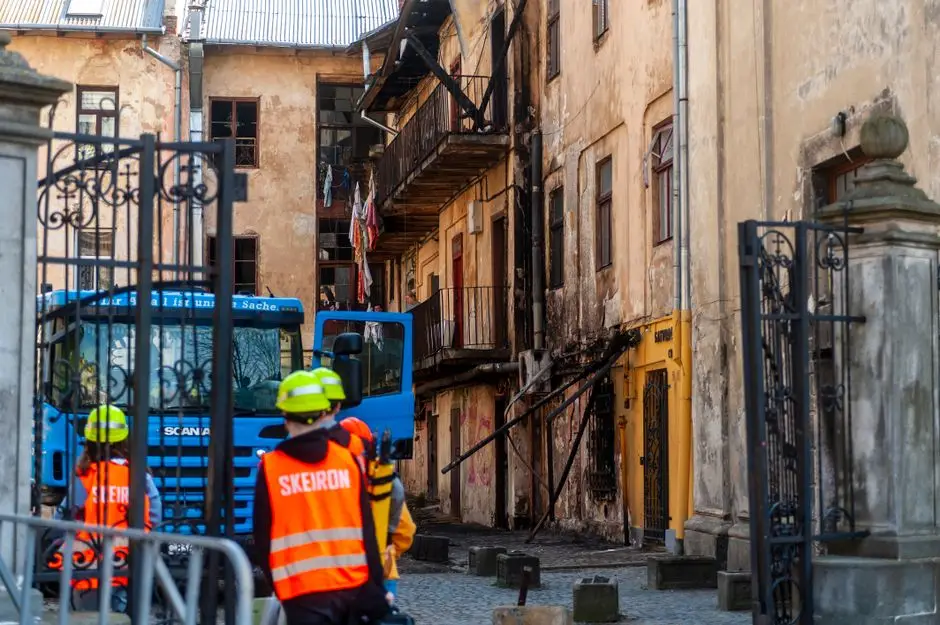
You reach a live dispatcher, not a voicemail. We collect the address, the type of fire, whether the power or gas is shut off, and whether anyone is injured. Within 10 minutes we've assigned a crew and given you a realistic arrival window. If the fire department is still on scene, we stage nearby and coordinate with the incident commander.
02
Board-up and make-safe
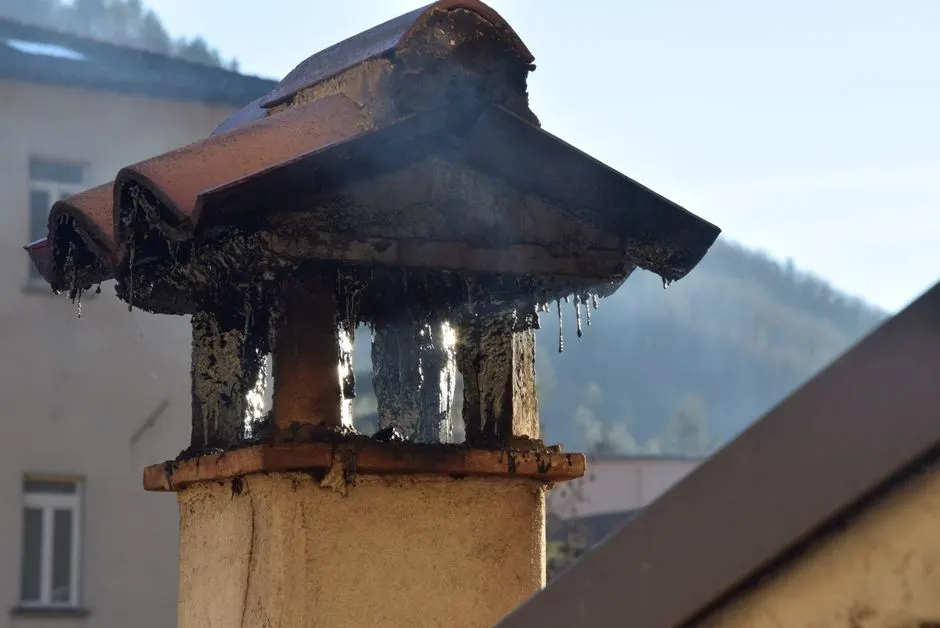
Broken windows, burned roof decking, and open doorways get secured with plywood sheathing and heavy-duty tarps. We shut off damaged circuits, tag melted wiring, and post the property. This typically takes 1 to 3 hours depending on the size of the loss, and it stops theft, rain intrusion, and further smoke movement.
03
Assessment and scope
A lead technician walks the structure with a thermal imaging camera and moisture meter, mapping charred framing, water from firefighting, and hidden smoke pockets. We photograph everything and build a scope in Xactimate, the same estimating platform most insurance carriers use, so your adjuster sees line items they already recognize.
04
Soot, smoke, and water removal
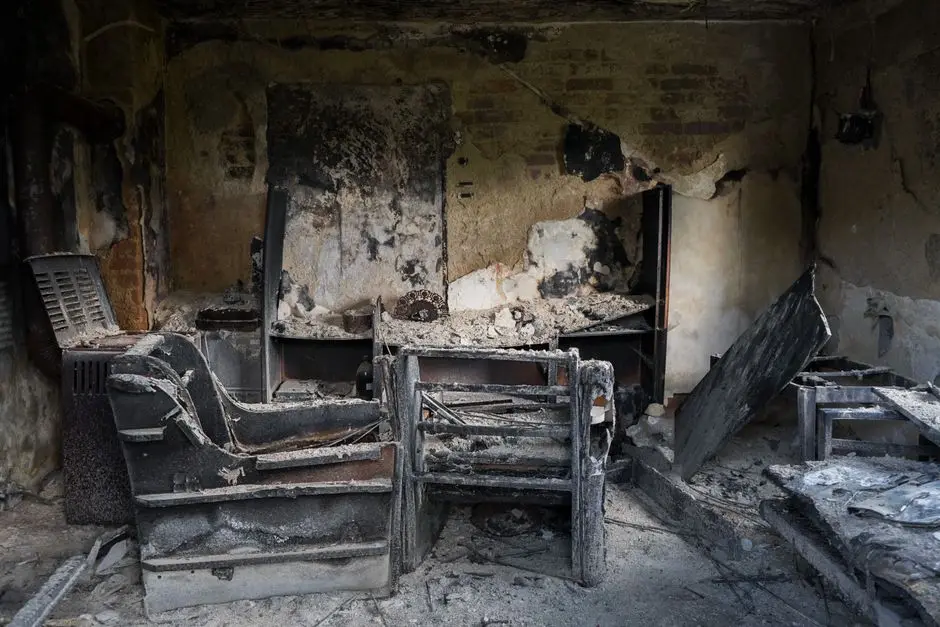
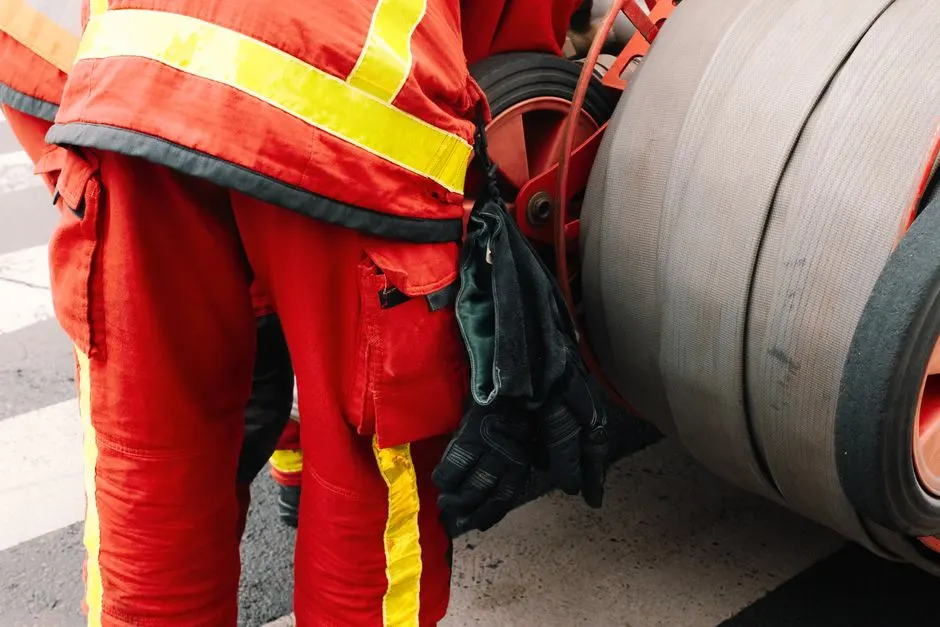
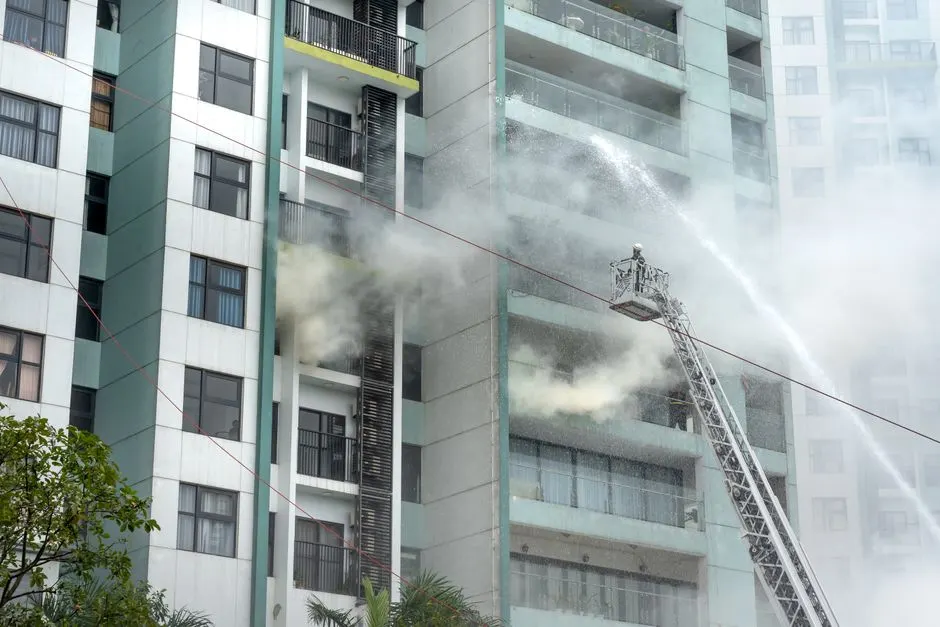
Crews HEPA-vacuum every surface, dry-sponge walls and ceilings, and use a dry ice blaster or soda blaster on structural lumber where scraping would gouge the wood. Air scrubbers and negative air machines run continuously to capture airborne particles. Standing water from hose lines gets extracted and dried with commercial dehumidifiers, usually over 3 to 5 days.
05
Repair and final walkthrough
We replace contaminated drywall and thermal insulation, seal framing with encapsulant coating, and rebuild. Smoke sealant primer goes on before paint, and fire-rated caulk goes into penetrations. You walk the property with us before we call the job complete, and we don't pack up until you sign off on the work.